FREE SHIPPING ON ALL ORDERS TO UK AND IRELAND
Building a Micro Camper on a Budget: Tips and Tricks for Affordable Conversions
Building a micro camper is an exciting way to embrace the vanlife lifestyle without breaking the bank. While it might seem like a big investment at first, you can build a functional, comfortable, and stylish micro camper on a budget. With some creativity, resourcefulness, and careful planning, it’s possible to create your dream camper without spending a fortune. Here’s a guide to help you get started.
1. Start with the Right Van
The first step in building a micro camper on a budget is selecting the right van. Fortunately, many affordable options exist that can serve as a great base for your conversion. Look for used vans that are in decent condition but might need some minor repairs or cosmetic fixes.
- Popular Budget-Friendly Van Choices:
- Ford Transit Connect: A small, reliable van that’s easy to find secondhand and is perfect for a compact micro camper build.
- Renault Kangoo or Citroën Berlingo: These are affordable, small vans that are perfect for a minimalistic camper build.
Tip: Check online marketplaces like eBay, Autotrader, or local classified ads for good deals on used vans. Don’t forget to inspect the vehicle’s condition before purchase.
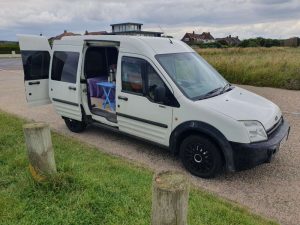
2. DIY Conversion: Save Money with Hands-On Work
The biggest cost-saving strategy in building a micro camper is doing as much of the work yourself as possible. With a bit of research and some basic DIY skills, you can complete most parts of the conversion on your own. Here are some essential DIY steps:
- Insulation: Proper insulation is key to staying comfortable in all seasons. Materials like reflective foil, foam board, or spray foam are affordable options that provide excellent thermal efficiency. DIY insulation is time-consuming but a huge cost-saver.
- Flooring: A budget-friendly option for flooring is vinyl planks or plywood, which can be easily installed yourself. Vinyl is durable, easy to clean, and comes in a variety of finishes to suit your style.
- Bed Setup: Build a simple fold-out bed or platform bed with plywood and cushions. You can find secondhand cushions at thrift stores, which helps keep costs low. Micro Camper City offers ready-made fold out beds at affordable prices to to get you using your van quickly.
- Storage Solutions: Use plastic bins or drawer units for storage, or create your own storage compartments under the bed. The more you can do yourself, the less you’ll spend on pre-built furniture.
3. Keep the Interior Simple
The interior of a micro camper doesn’t need to be elaborate or filled with expensive items. Focus on basic necessities like a comfortable sleeping area, a cooking space, and storage solutions. Keep the design minimalist to save on costs and space.
- Kitchen Setup: For a budget-friendly kitchen, consider using a portable camping stove or single-burner gas stove. A small sink with a water jug or a cooler box for refrigeration is more than enough for a simple camping setup.
- Lighting: Instead of expensive LED light fixtures, go for battery-operated LED lights or solar-powered lights. These are cost-effective and easy to install.
- Decoration: DIY decor can add charm without adding costs. Reupholster old cushions, use fabric to cover storage bins, or create custom wall hangings from reclaimed materials.
4. Go Off-Grid with Solar Power (Affordable Options)
While adding a solar power system can seem expensive, it’s possible to install a basic system on a budget. A small solar panel kit that charges your devices and powers basic lights can be purchased for under £200. This is a great way to make your micro camper self-sufficient and off-grid.
- Solar Panel Kits: Look for portable solar panels or off-grid solar kits that come with a charge controller, battery pack, and the necessary wiring.
- Power Bank: If you’re looking for something even more budget-friendly, a good power bank can power small devices like phones, lights, or a fan.
Tip: Always do research on the type of solar power system that best suits your needs. Starting with a small system is an excellent way to keep costs low while giving you some off-grid freedom.
5. Use Secondhand and Recycled Materials
One of the most effective ways to keep costs down when converting a micro camper is by using secondhand and recycled materials. There are plenty of opportunities to find affordable supplies that can be repurposed for your build.
- Charity Shops and Online Marketplaces: Look for used furniture, fabrics, and materials on websites like eBay, Facebook Marketplace, or in local charity shops. You can find everything from upholstery to kitchen units to camping gear.
- Reclaimed Wood: Many van builders use reclaimed wood for furniture or decorative touches. Look for free pallets or old wood from construction sites or online exchanges like Freecycle.
- Upcycled Materials: Get creative with upcycling! Old crates, baskets, or unused tools can often be transformed into functional camper features like shelving or storage solutions.
Building a Budget-Friendly Micro Camper Is Possible!
Building a micro camper on a budget is entirely possible if you approach the project with careful planning, resourcefulness, and a DIY mindset. While it requires time and effort, you can create a comfortable and functional camper without spending a fortune. Start with a solid, budget-friendly van, focus on the essentials, and don’t be afraid to get creative with secondhand materials and DIY solutions.
With patience and persistence, you’ll have your very own camper that will take you on incredible adventures without breaking the bank!